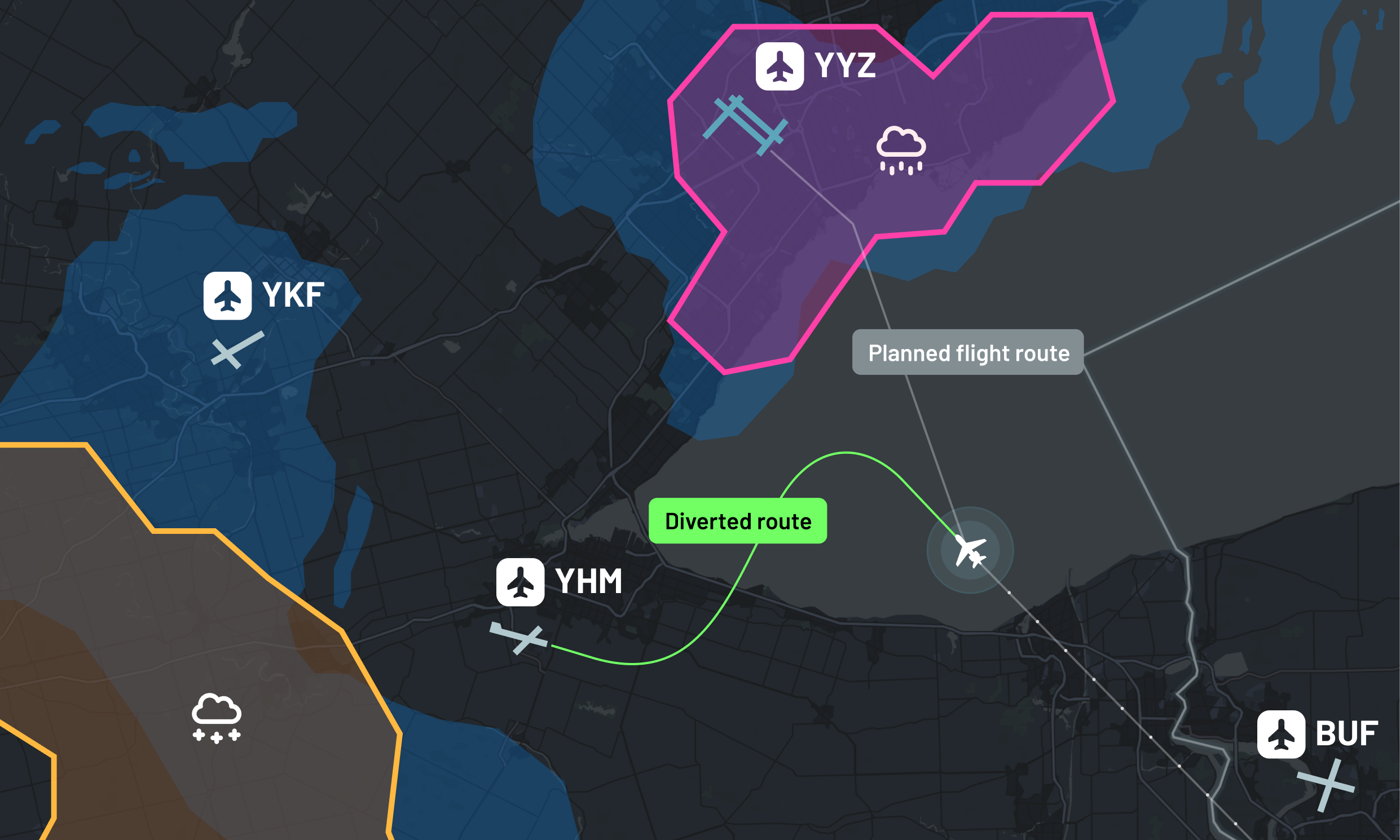
Private aviation runs on precision—but the weather doesn’t follow schedules.
Diversions are common for light and medium aircraft, especially during harsh winter months. Safety always comes first, which often means landing at an alternate airport rather than the original destination. For pilots and crew, this is routine. For passengers and ground teams, it can instantly become a last-mile logistics nightmare.
When a jet diverts at 2:14 a.m. to an airport 60 kilometers away, calling a rental counter that opens at 8 a.m. isn’t an option. Even “premium” rental brands can’t reposition vehicles or staff in real time—especially on airport property.
Traditional rental models rely on fixed locations, limited hours, and reservations built on the assumption that the original flight plan holds. When weather, traffic, or other events force a diversion, that model breaks down.
The solution is simpler than it seems:
With ground transportation embedded at the FBO, readiness can change as quickly as the flight plan does. FBO staff can focus on delivering the customer experience, without delays caused by off-site rentals.
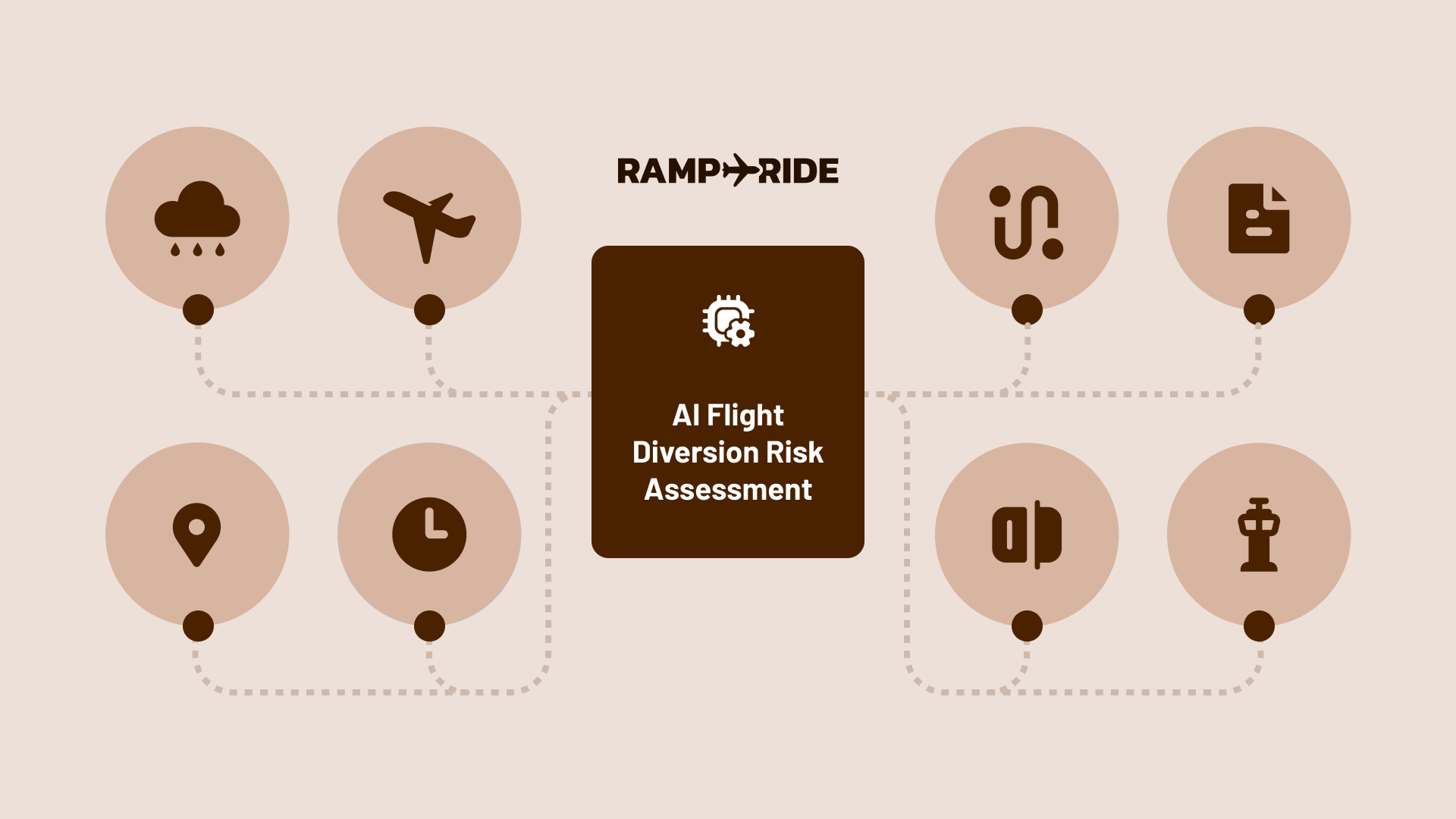
This is where artificial intelligence matters. It’s a decision-making tool that helps humans respond faster and smarter across a growing FBO network. The system continuously evaluates live data including:
It compares this to historical data, including:
All this feeds into a risk score that informs operational preparedness. When risk rises, resources shift. When risk drops, staff stand down. This approach improves scalability without unnecessary complexity.
Every flight tells a story before it lands. Take a winter flight from Calgary to Hamilton. Along the route, conditions can change rapidly: crosswinds build near arrival, icing appears on segments, visibility drops at one alternate but remains fine at another.
By combining live flight data with hyper-local weather along the route and at likely alternates, AI predicts diversion risk, often before a diversion is declared. Early signals give ground teams time to prepare thoughtfully, not reactively.
When risk crosses thresholds based on historical outcomes, likely alternates are flagged and FBO teams adjust readiness calmly and in advance.
The result? Ground teams know what to do, when to do it, and where.
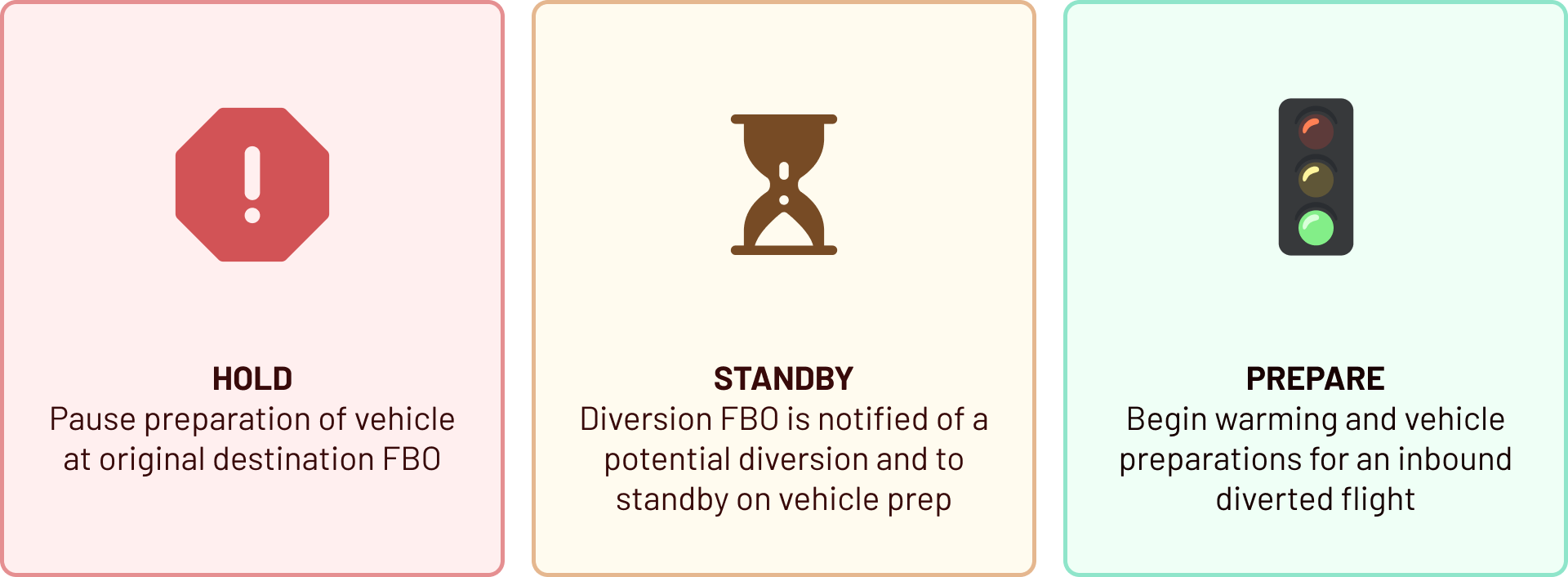
The value isn’t in the risk number itself—it’s in the actions it triggers. Smart alerts tell FBO staff when to:
Alerts update continuously as conditions change. Vehicles are ready exactly when needed, reducing wasted fuel, emissions, and idle time.
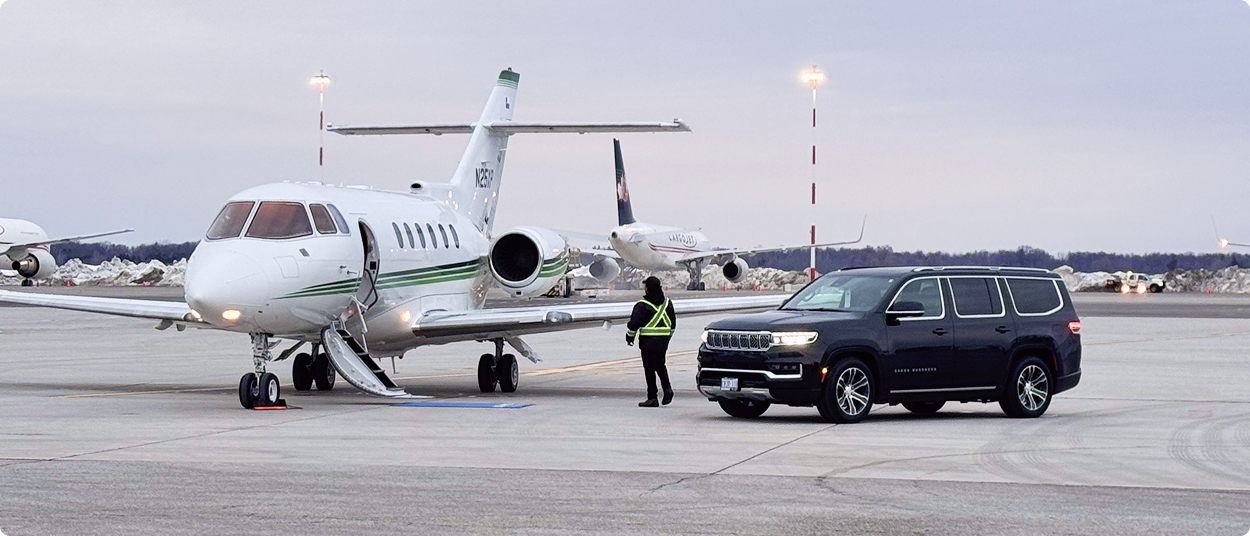
Idle time adds up—sometimes 20 hours per vehicle per month. By syncing vehicle prep with flight data and local weather:
Over time, this creates measurable operational and environmental gains—efficiency emerges naturally from coordination, not extra effort.
When last-mile transportation works seamlessly during a diversion, it reflects on the FBO. Crews know passengers are taken care of. Operators know the experience holds. Passengers remember reliability when conditions are worst.
This builds trust, loyalty, and positions the FBO as a full-service destination.
Traditional rental models struggle when plans change mid-flight. Ramp to Ride’s approach with on-site vehicles, smart alerts, and adaptive readiness handles it differently.
When the airspace changes, the ground plan shifts with it, without scrambling. Vehicles are ready. Staff are informed. The passenger sees no disruption.
That’s what being a last-mile partner really means. They land, the car is there, and the disruption stays invisible to the guest.
SEE OUR FLEET IN ACTION

Ramp to Ride is an executive vehicle rental service that offers white-gloved high-end rental vehicle delivery services to customers at privately managed airports.
Ramp to Ride Inc. is not liable for any direct, indirect, incidental, consequential, or punitive damages arising out of your access to or use of this website, including but not limited to errors or omissions in the content.

Copyright © 2026 Ramp to Ride, Inc. All rights reserved